






How to make a workshop pit compliant and secure it in a sustainable way?
Prevent falls risks thanks to INRS and CARSAT compliant pit safety solutions

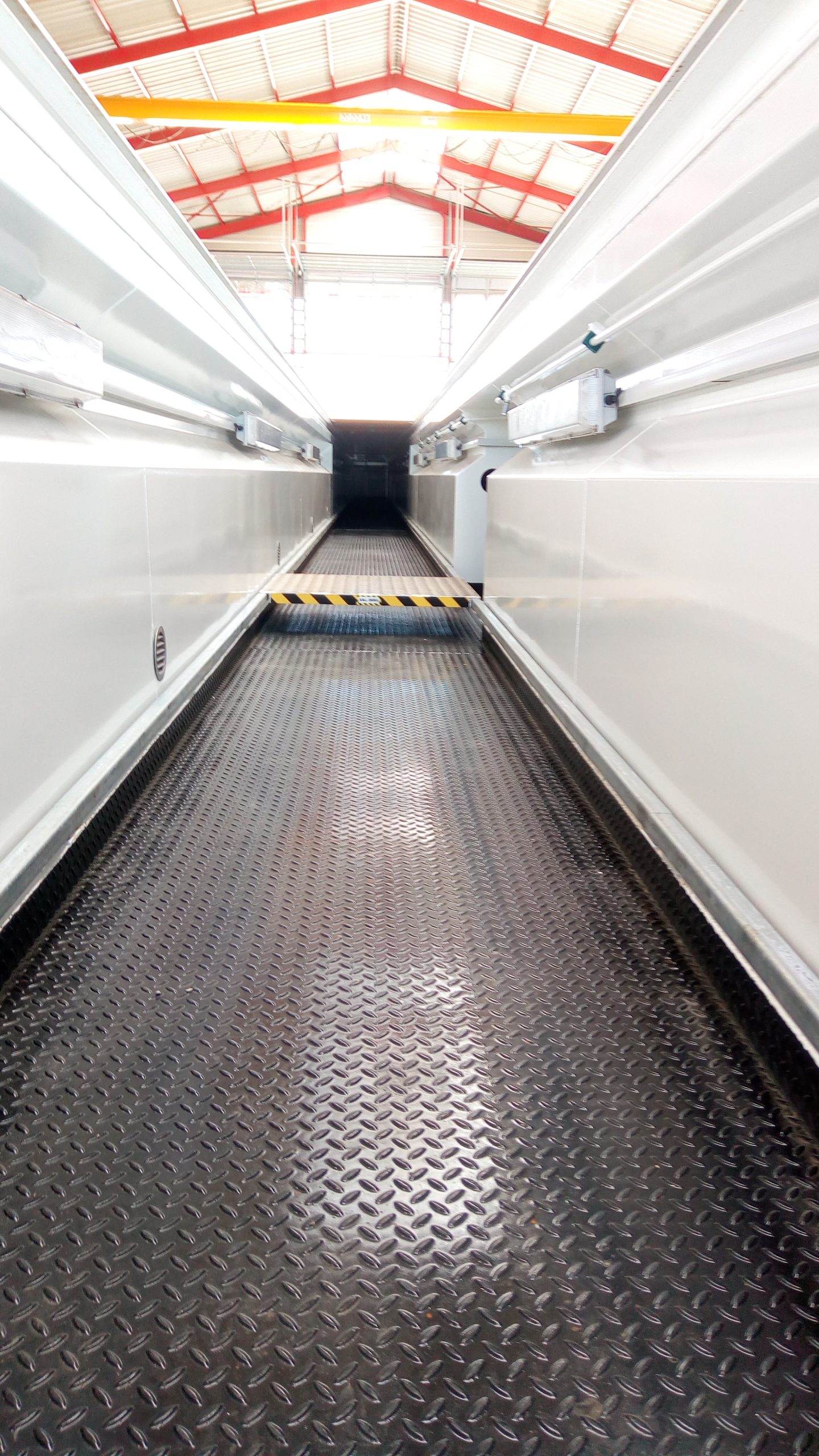
The maintenance pits represent
a risk zone in mechanical workshops,
mainly due to height differences, traffic conditions and constraints related to interventions.
Often wrongly considered a mere work, The maintenance pit actually constitutes a critical point in the workshop, focusing on technical, regulatory and organizational issues.
To prevent accidents, the INRS and the CARSAT formulate recommendations regarding, among other things: the design, layout, renovation and protection of the visiting caves, through the recommendations R468 and R469.
WHAT IS AN UNCONFORMING WORKSHOP SHELTER?
The safety criteria to be observed


FURTHER INFORMATION AT LESS INFORMATION ON AN UNCONFORMING WORKSHOP SHELTER
A workshop pit is considered non-compliant when it does not have an effective device to prevent the fall of people or objects.
According to the Labour Code (article L4121-1), the employer must implement a structured prevention approach that includes:
- Identifying the risks
- their evaluation in the single document
- the establishment of collective protections
The INRS R468 recommendations remind that the prevention of falls from height constitutes a major issue around the visiting pits.
In the reality of the market, many pits are still designed as simple concrete structures, without integrating the constraints of usage, safety, and regulations. These pits are not equipped with suitable solutions, especially in older workshops or in environments that have evolved without upgrading the equipment.
WHAT ARE THE MAIN DANGERS OF A WORKSHOP PIT?
The most identified risk zones
FURTHER INFORMATION AT LESS INFORMATION ON THE MAIN DANGERS OF A GARAGE DUMP
The workshop pits are among the most identified risk areas in maintenance environments.
The main dangers are:
- height drop during traffic
- fall of objects or mechanical parts
- loss of balance during interventions
- exposure to dangerous gases or vapors
The R468 recommendations and R469 They were designed to identify these risks and propose appropriate preventive measures.
Preventive studies in mechanical workshops also show that pits can pose other risks that should not be overlooked. Prevention around a workshop pit is not limited to the risk of falling into the pit:
- Fire or explosion related to vapours
- Intoxication related to exhaust gases
- musculoskeletal disorders related to work postures
These points are detailed in the INRS brochure. Repair and maintenance of heavy-duty vehicles (ED 6173), Chapter 6 «Inspection pits in mechanical workshops».
Security measures often come into effect after an incident, an audit, or an injunction, when they should be integrated from the outset of the workshop’s design. Xpertive regularly works with workshops that wish to structure their prevention approach, particularly as part of QHSE policies or the modernization of facilities.
WHAT ARE THE RISKS OF AN UNSECURED WELL?
Risks on several levels
FURTHER INFORMATION AT LESS INFORMATION ON THE RISKS OF AN UNSECURED WELL
An unsecured pit can have consequences on several levels: human risks, organizational risks, and legal risks.
Human risks
- operator or client failure
- serious injuries
- exposure to dangerous substances
Organizational risks
- Business interruption
- disorganization of work flows
- loss of productivity
Legal risks
- Employer-imposed liability
- Sanctions or a warning
- Activity suspension imposed
The Labor Inspectorate may require compliance and, in some cases, impose immediate measures if a danger is identified.
These situations are common in the field, where the pit becomes a critical point identified during security audits.
What are the solutions for securing a garage pit?


OUR LATEST ACHIEVEMENT
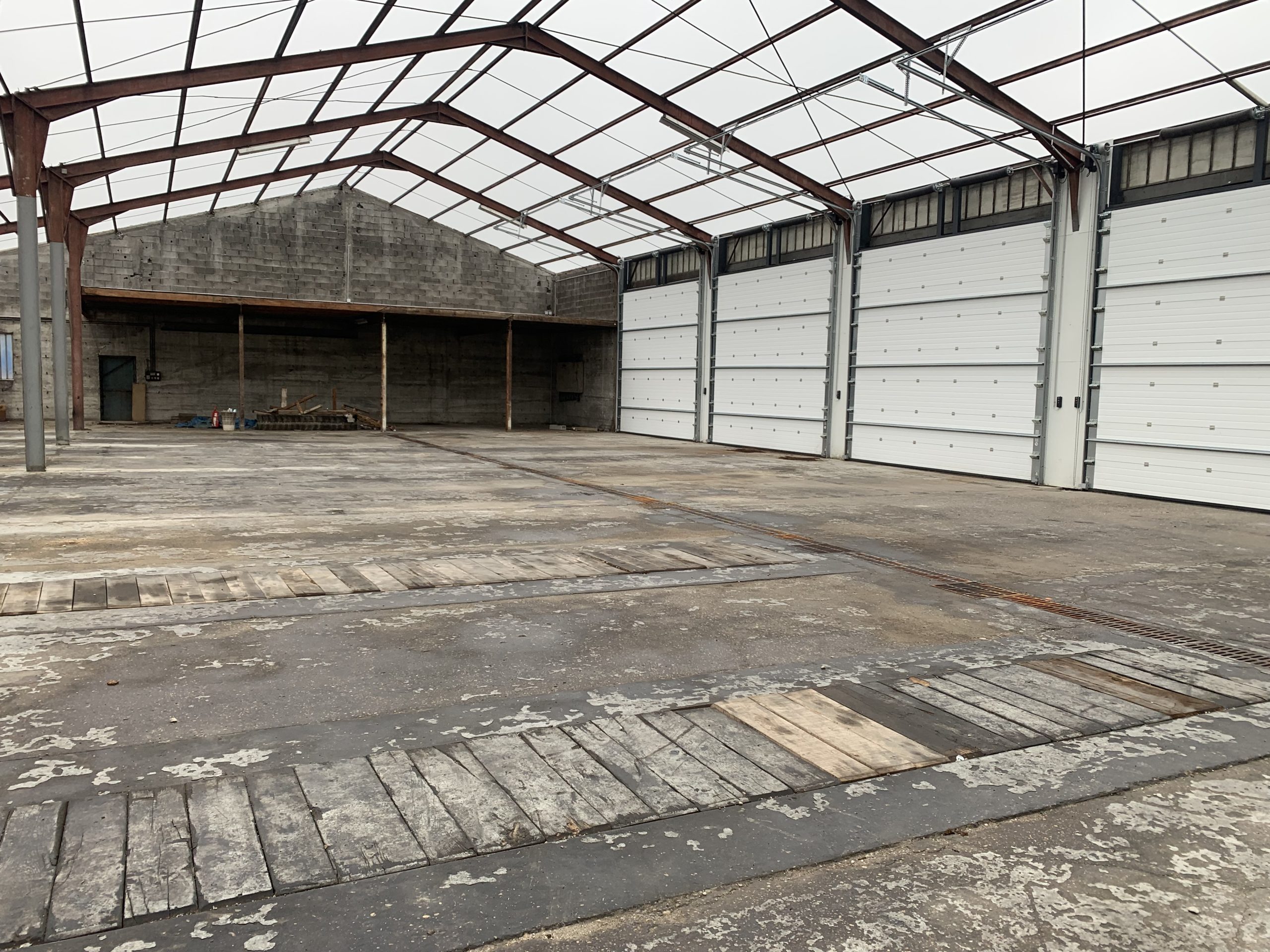
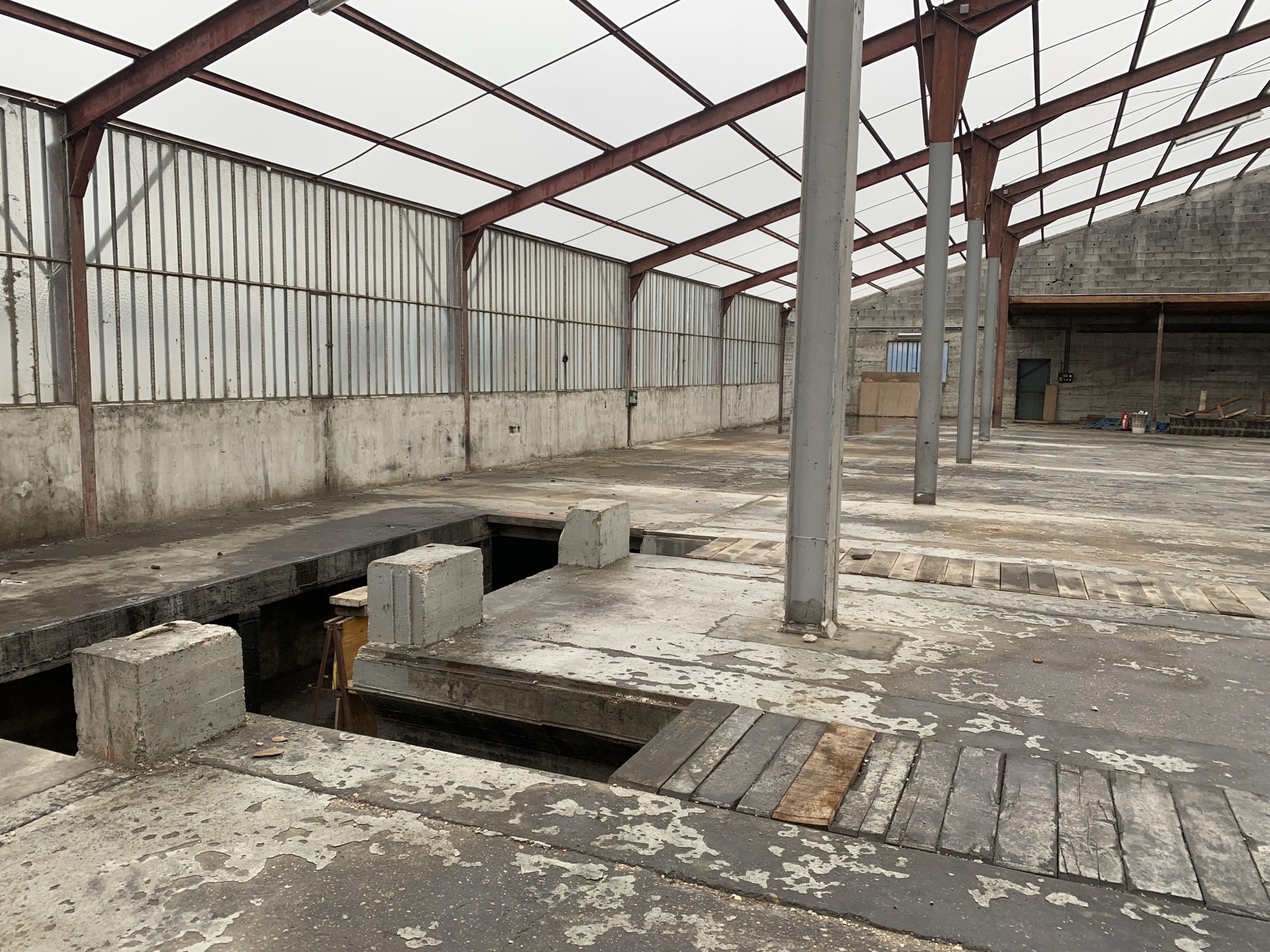
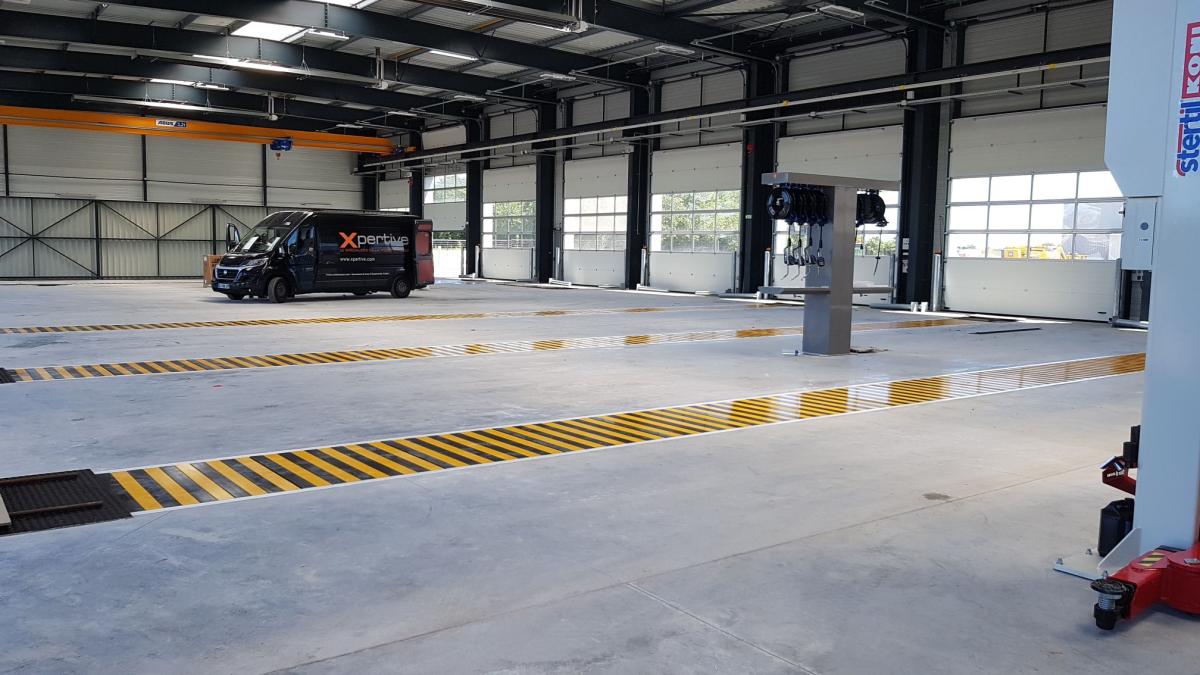
TRANSPORTS NCT: Renovation and security of their Heavy Equipment workshop
How Xpertive renovated and secured the heavy-duty workshop of Transport NCT



What benefits for your workshop?
Safer, more professional, more efficient workshops

Team safety:
Significant reduction in the risk of falls and improvement in daily working conditions.

Regulatory compliance:
Compliance with the INRS recommendations, CARSAT guidelines and the obligations of the Labour Code, with better anticipation of inspections.

Operational performance:
Streamlining of traffic flows with pedestrian bollard covers, improved organization and reduced interruptions related to incidents.
How to secure an existing pit without heavy work?
Expertise Xpertive®
A comprehensive approach to securing garage basements
Xpertive® It assists companies in securing their pits by integrating technical, regulatory and operational aspects.
The approach is based on a practical observation: the pit is often poorly designed from the outset, even though it conditions much of the operation of the workshop.
Expertise is based on concrete knowledge:
- operating constraints in the workshop
- requirements of the INRS and CARSAT recommendations
- existing on-site compliance issues
Xpertive® He does not only act as a provider, but also as an expert capable of structuring the project, anticipating risks and simplifying a complex problem.
The approach includes:
- risk analysis
- Regulatory accompaniment
- choice of solutions
- support on related topics: recovery of waste oils, lifting in a pit, ventilation of the pit, access…
- installation and on-site adaptation
This approach allows
Securing the installations in a sustainable way
while maintaining the
Operational performance of the workshops.
Frequently asked questions about the safety of workshop pits

How to put an industrial pit in compliance with standards? :
By installing a device that prevents falls and complies with the INRS and CARSAT recommendations, after analyzing the risks.
What are the risks of an unprotected maintenance pit? :
Falls, accidents, intoxications, legal liability and non-compliance.

Can an existing garage pit be secured? :
Yes, customized solutions allow compliance without heavy work.

Which solution should be chosen to secure a heavy-duty pit? :
The choice depends on the use, the expected level of safety, and the constraints of the workshop.

Is a visit pit protection mandatory? :
It stems from the safety obligation imposed by the Labour Code and the prevention recommendations.

What is the NF standard for mechanical pit protection? :
The resistance of a pit protection system is verified in its actual conditions of implementation. For covers, the INRS recommends a shock resistance of at least 1,200 joules, evaluated using a 50 kg sack defined by the NF P 08-301 standard and dropped from a height of 2.40 m. The device must hold the sack without being carried away or torn through. A test report drawn up by an independent inspection body allows the performance of the tested solution to be documented.