


What does the Labor Inspectorate say about the workshop pits?

Warn of the risk of falls and comply with the INRS and CARSAT requirements

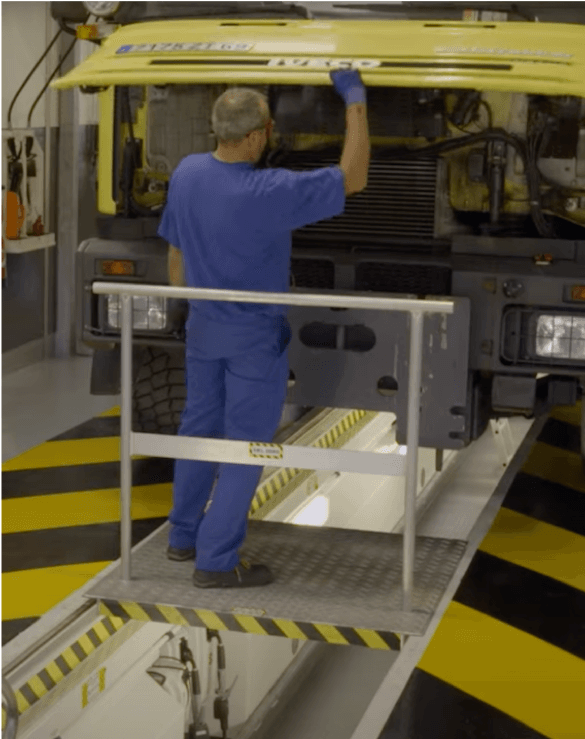
  • The maintenance pits are considered risk zones in mechanical workshops due to height falls and specific operating conditions.
  • Often perceived as a mere arrangement, the pit is actually a critical point of the working system, directly related to the safety, compliance and organization of the workshop.
  • The Labor Inspectorate relies on the Labor Code, the recommendations of the INRS and the CARSAT to regulate their safety measures. Understanding these requirements allows you to anticipate inspections, reduce risks and ensure your workshop is compliant in a sustainable way.

What does the Labour Code say about the safety of pits?

The Labour Code constitutes the regulatory basis for the safety of workshop pits.


The article L4121-1 imposes on the employer to:


  • guaranteeing safety and protecting the physical and mental health of workers
  • implementing prevention actions
  • Adapt the measures to the working conditions


This involves, in particular, the elimination or reduction of risks at the source.

The article R4323-58 It also specifies that work areas must be arranged to avoid the risk of falls from a height.

An unprotected pit is therefore considered a known hazard that requires the establishment of collective protection.

In practice, this obligation is often poorly anticipated: many workshops discover their non-compliance during an audit or inspection.

At Xpertive, this non-compliance is one of the most common cases observed during workshop diagnostics.

Why are the pits being monitored?

The workshop pits are directly associated with the risks of fall from height, These are among the main causes of work-related accidents in France. Their position at the heart of traffic zones makes these risks even more critical.

The prevention recommendations clearly identify these situations as major points of vigilance, especially during trips and interventions around the pit.

In the audits carried out by Xpertive, Unsafe pits are regularly identified as sensitive points, especially in old or highly active workshops.

What is the role of the Labor Inspectorate?

The Labour Inspectorate monitors the implementation of safety regulations and may intervene:

  • during a periodic inspection
  • after an accident
  • following a report

She checks that the employer is complying with its safety obligations and that the risks, including those related to the pits, are properly controlled.

What are the recommendations of the INRS and the CARSAT?

Prevention agencies play a key role in guiding practices.


INRS – Recommendation R468


It deals with the design and operation of the pits and highlights:


  • the prevention of falls from a height
  • the ventilation of the pits
  • Managing the risks associated with gas


CARSAT – Recommendation R469


She specifies the conditions for landscaping and securing the area:


  • mandatory protection when the pit is not in use
  • integration of adapted devices (cover, retractable system…)
  • improvement of ergonomics and access
  • The lighting of the pit


These texts are today the main reference used during audits and controls, although they are not always integrated from the outset of project design.


Xpertive relies directly on these texts to guide its technical recommendations.


INRS and CARSAT standards

Why anticipate the regulations?

Anticipating requirements allows for the sustainable security of operations and the avoidance of critical situations. In a market where compliance is still often handled in a reactive manner, anticipation becomes a key performance lever and a means of controlling risks.

Reducing risks:

Fewer accidents and improved working conditions.

Anticipation of controls:

Preparation for labor inspection audits without urgency or coercion.

Cost control:

Avoiding emergency compliance often being more expensive.

What are the risks identified by the INRS?
The risks associated with pits are numerous and well documented.


Risk of falling

  • fall of an operator into the pit
  • one-third drop (client, visitor)

Risks related to gases

  • Accumulation of exhaust gas
  • Intoxication
  • risk of explosion

Risks related to work

  • restrictive postures
  • wet or slippery environment
  • reduced visibility


In reality, these risks are rarely isolated: they accumulate and make the pit particularly vulnerable in the organization of the workshop.

What solutions are recognized for securing a pit?


Solution Level of protection Compliance Use Limits
Rigid aluminum cover very high compliant with INRS/CARSAT daily use investment
Flexible tarpaulin low limited Temporary low resistance
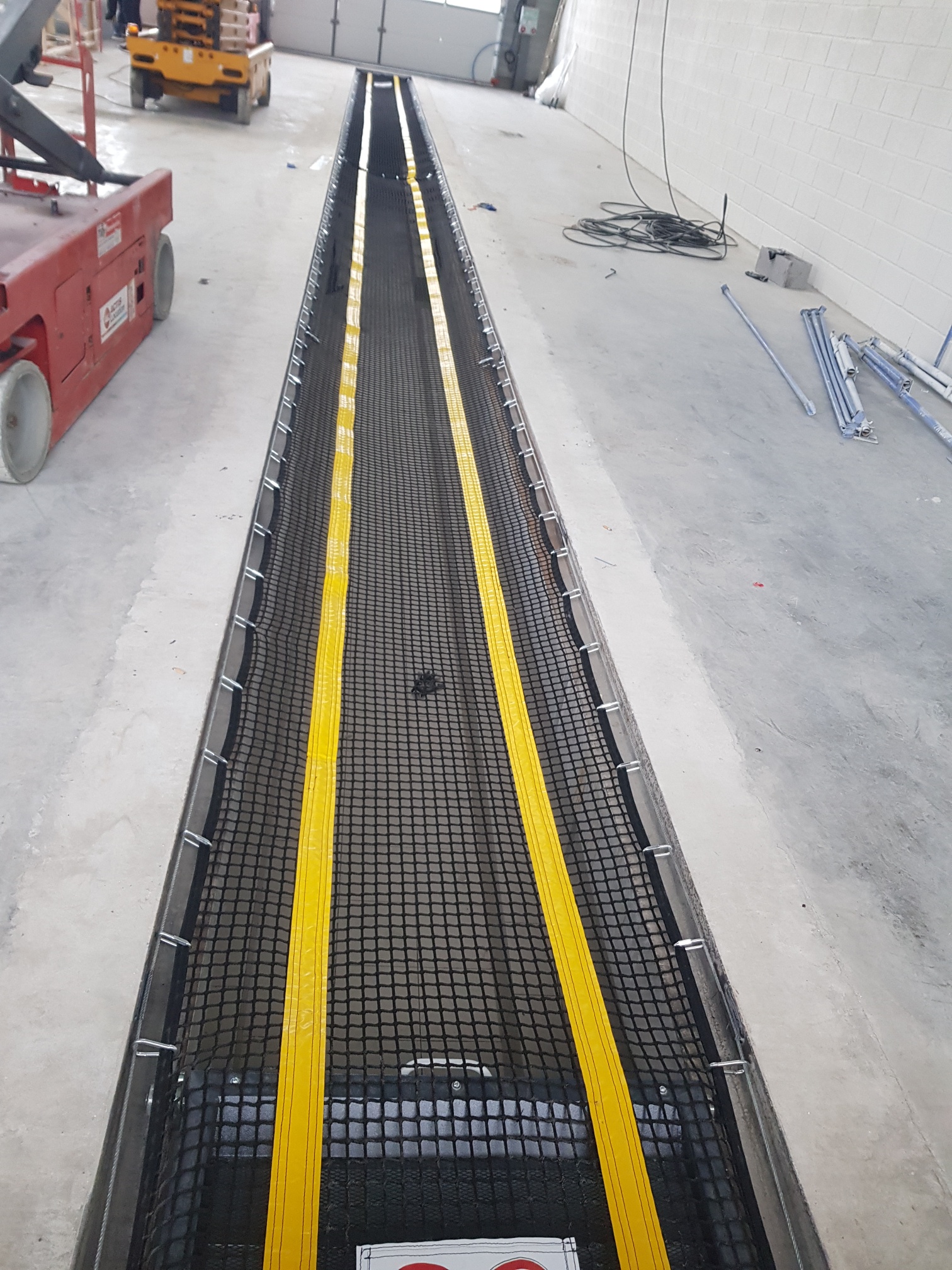
Trench netting Average partial Simple protection no traffic
Signage only very weak insufficient Supplement ineffective on its own


Solutions to secure a pit

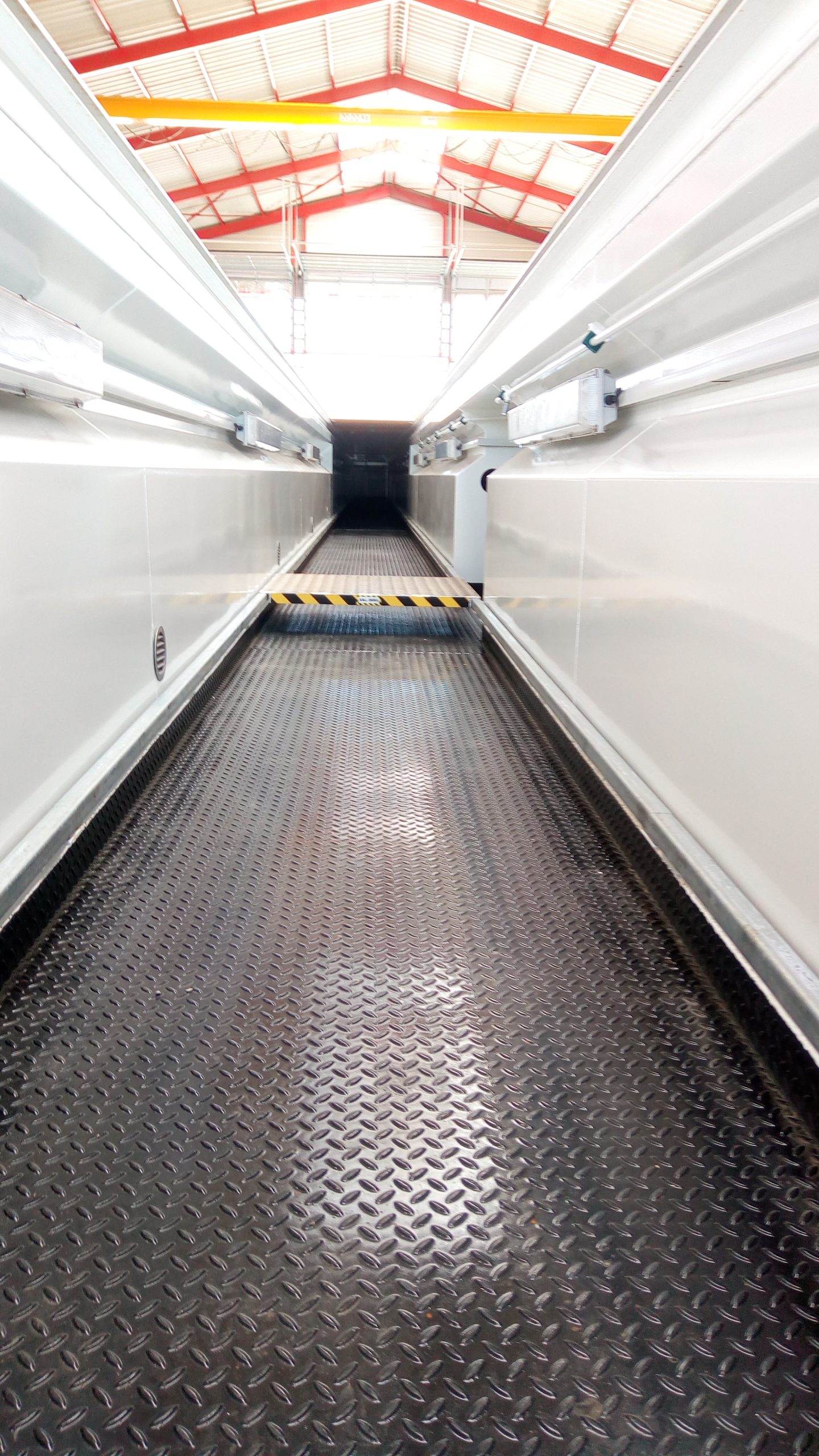
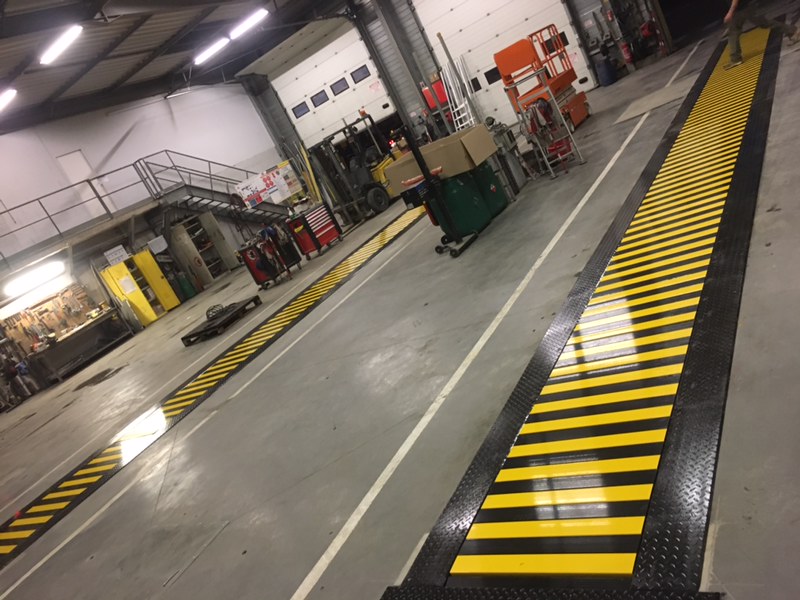
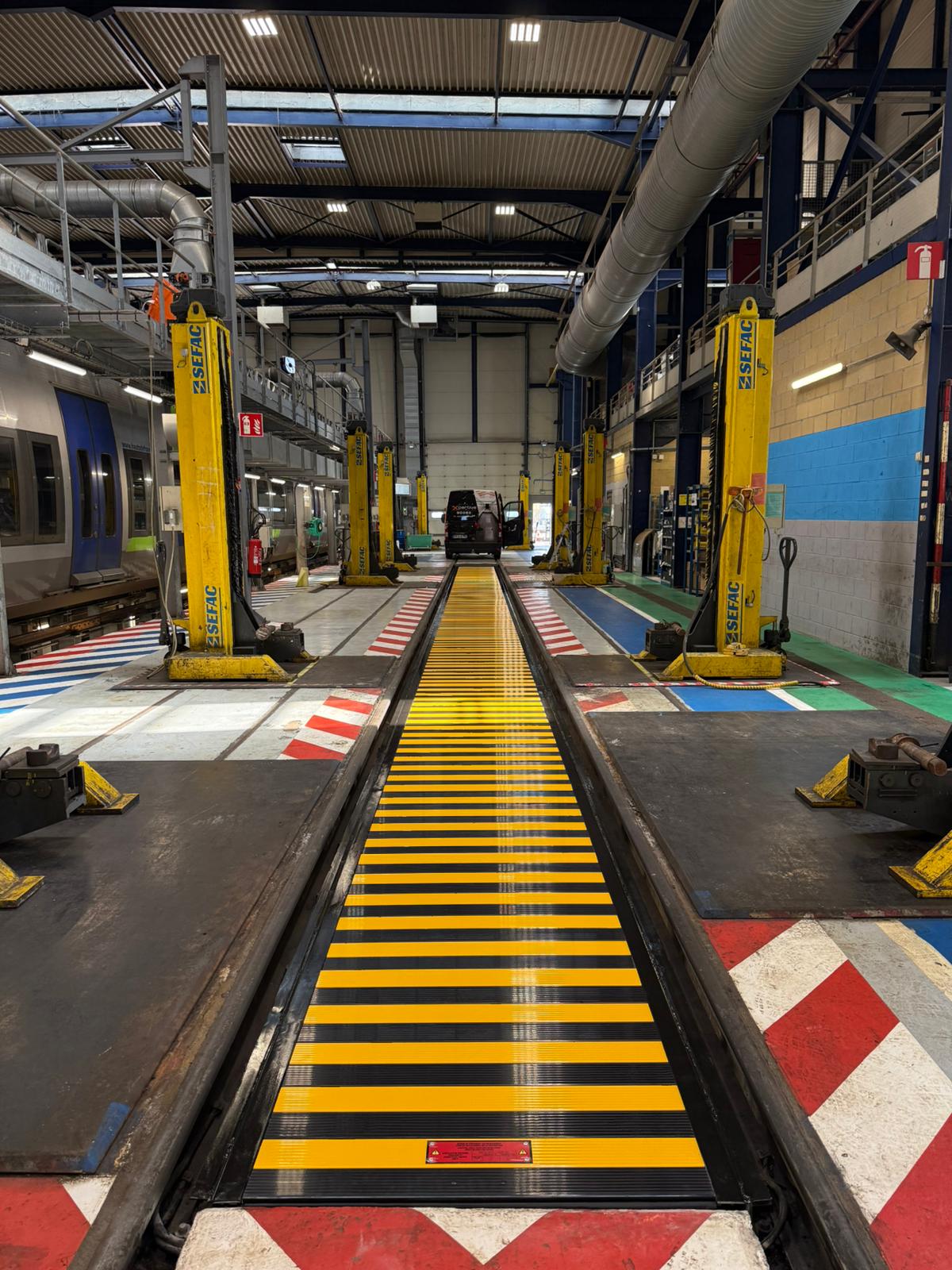
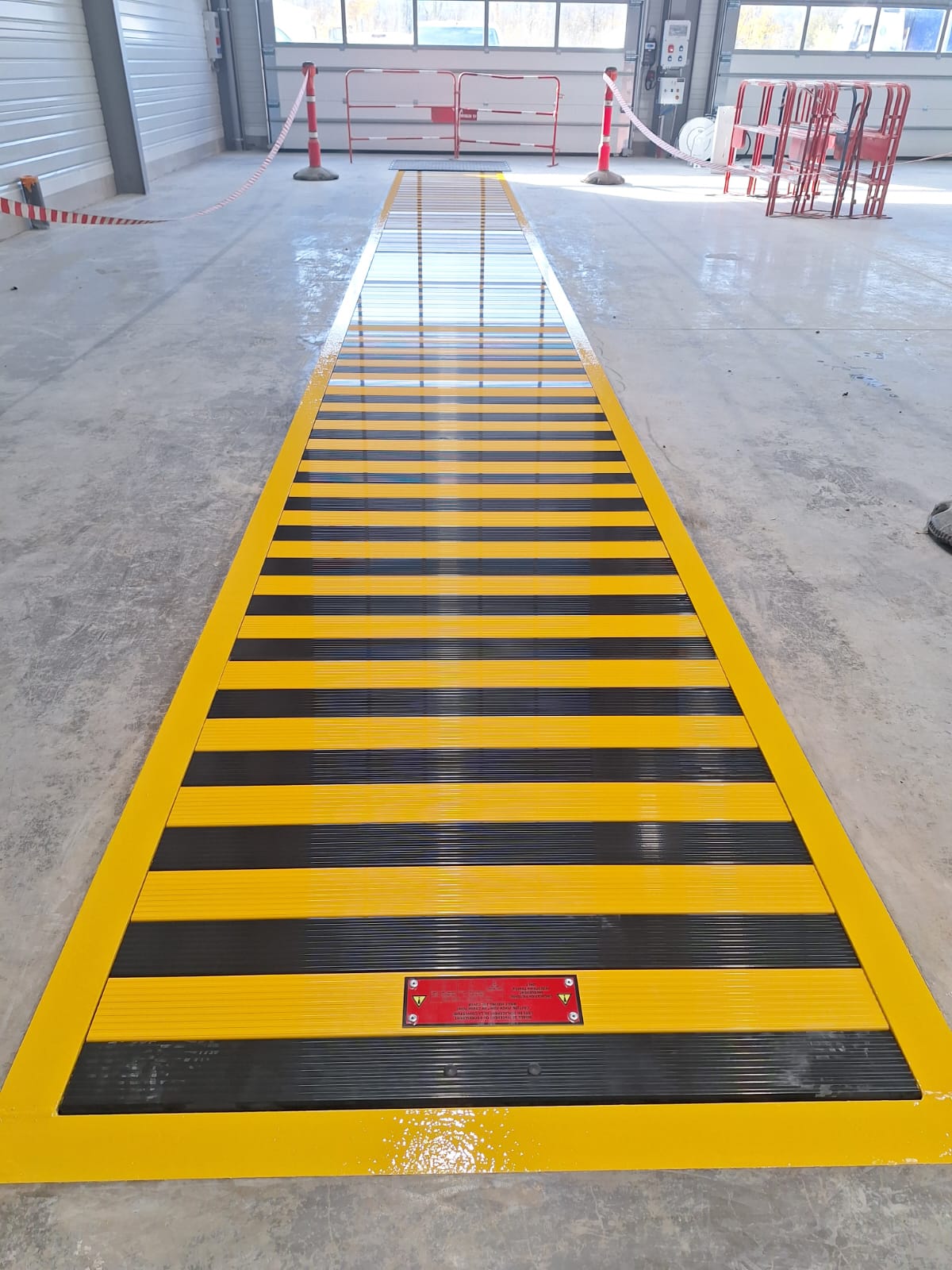
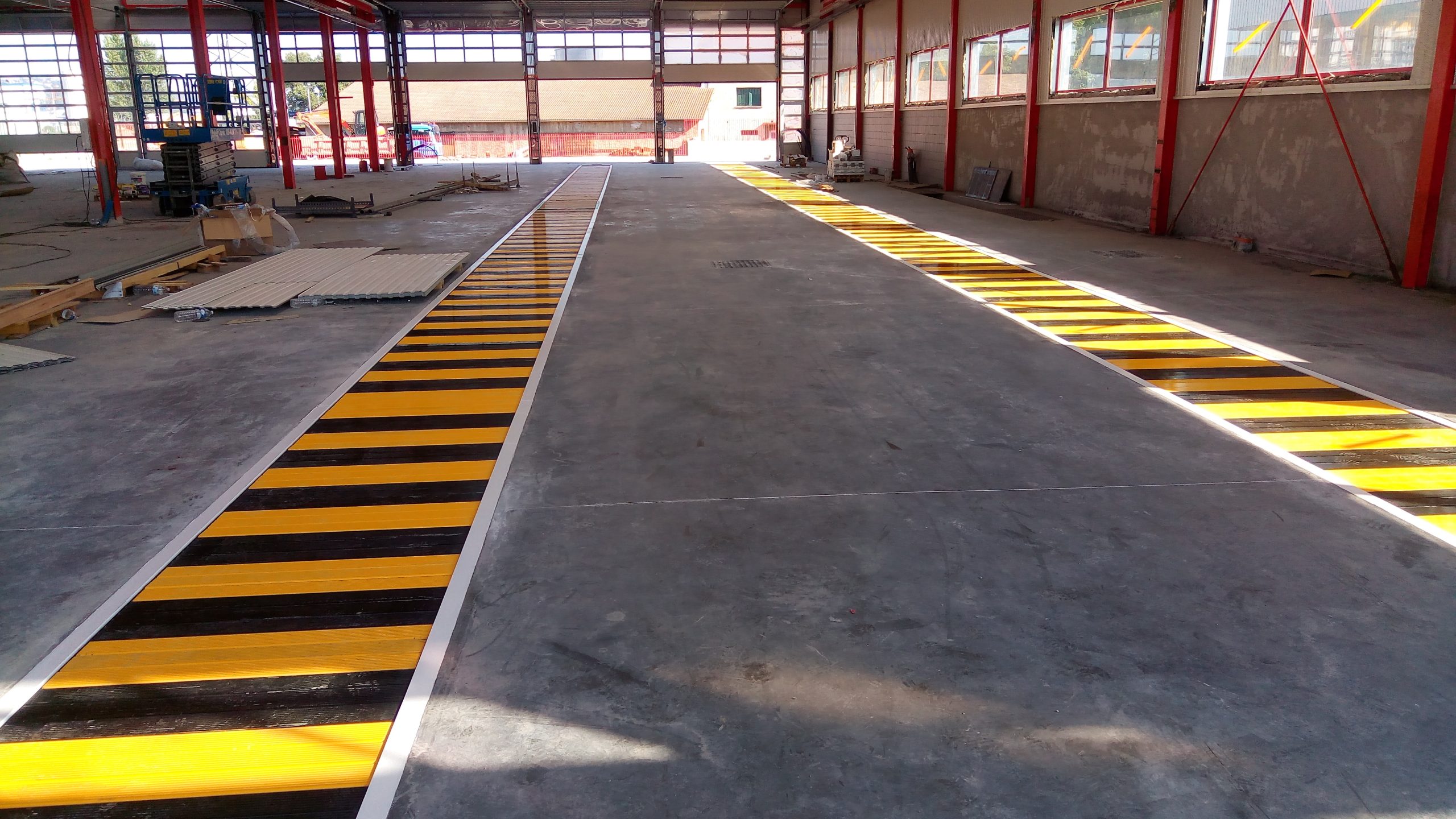
25-ton per square meter covered area with patented Xpertive and tested in the Apave bag
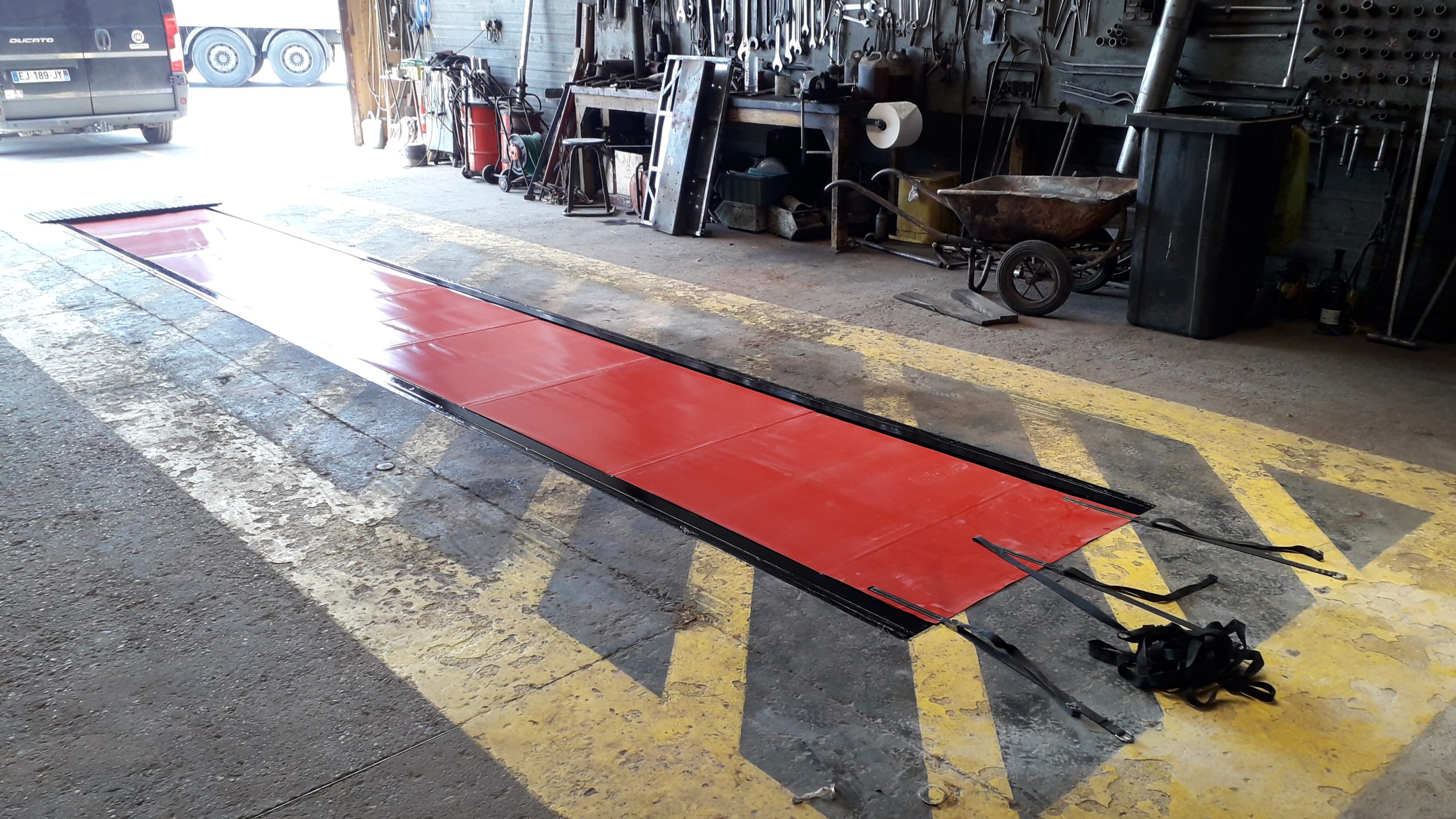
Custom-made anti-fall covers made by Xpertive for several garage garages in this workshop
Custom-made creation of protection for railway tunnel for sncf calais by xpertive
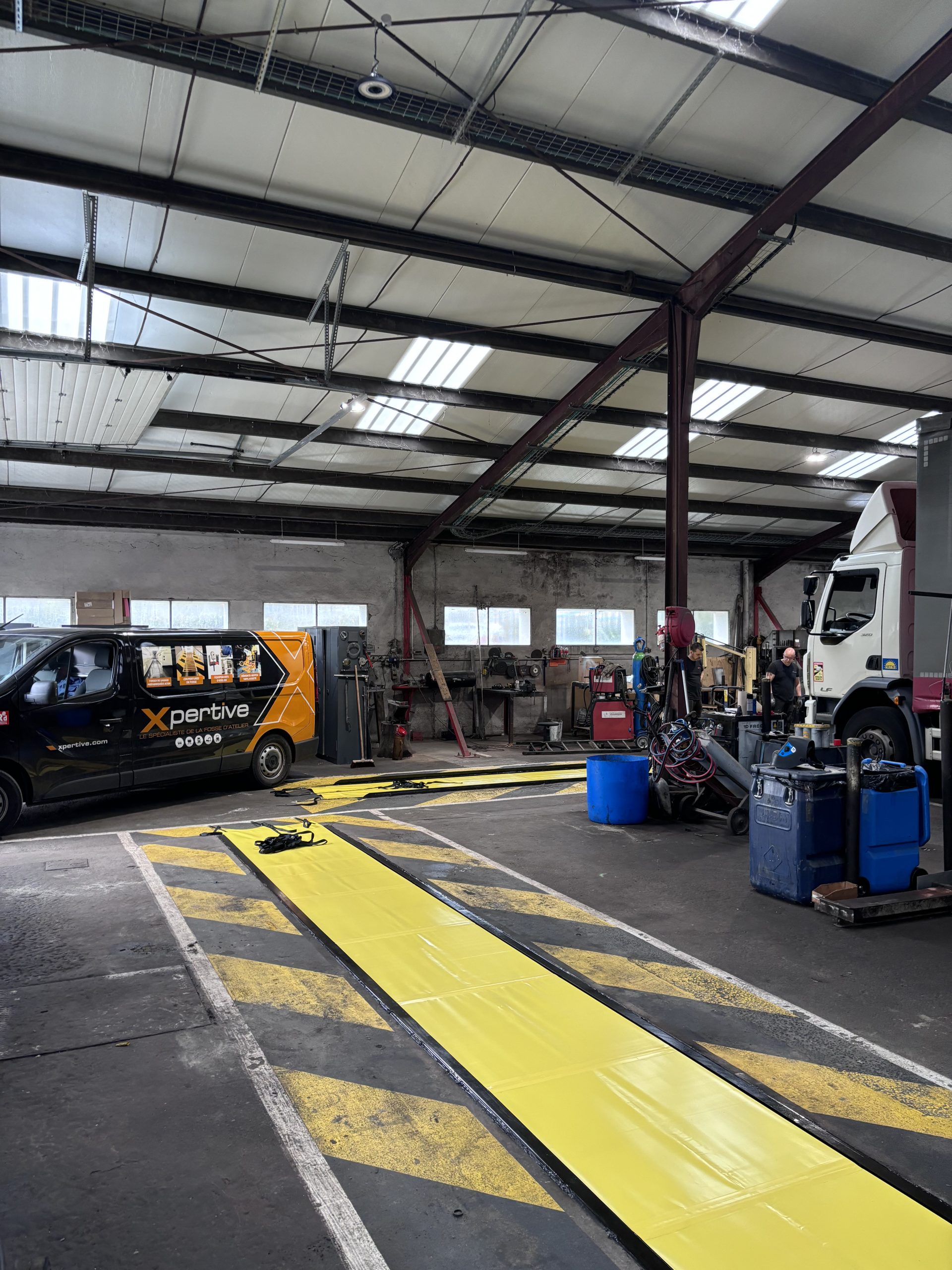
garage protection cover xpertive 25 T/M2
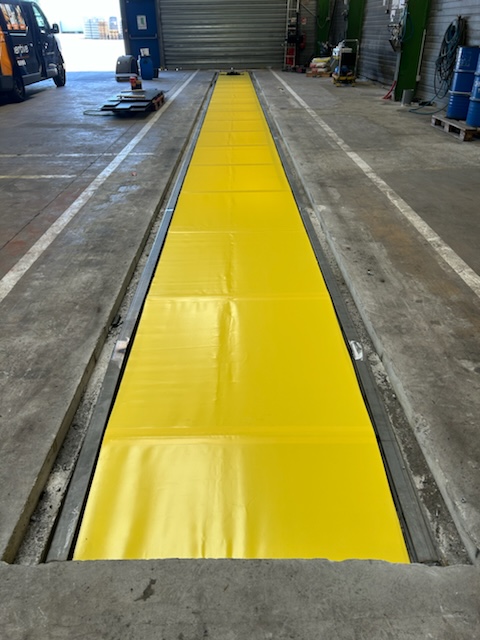
a trench cover patented by Xpertive to protect the trenches at this customer's site
Custom-made Xpertive patented PVC cover for this customer's heavy-duty workshop
conformity of this workshop with PVC pit cover in accordance with CARSAT and INRS standards
customized pvc protection sheet for pit anti-fall for this xpertive client
CUSTOM-MADE ANTI-FALLING FITTINGS FOR THIS XPERTIVE REALIZATION
Customized anti-fall platform for the garage pit of customer Xpertive

Should an workshop pit be renovated or should a lifting method be chosen?
The Labor Inspectorate ensures that the equipment and organization of the workshop protect the employees. Replacing a pit with a lifting device does not eliminate the safety obligations: it modifies the risks to be controlled and the measures to be implemented. The choice must take into account the vehicles accepted, the interventions carried out and the company’s risk assessment.

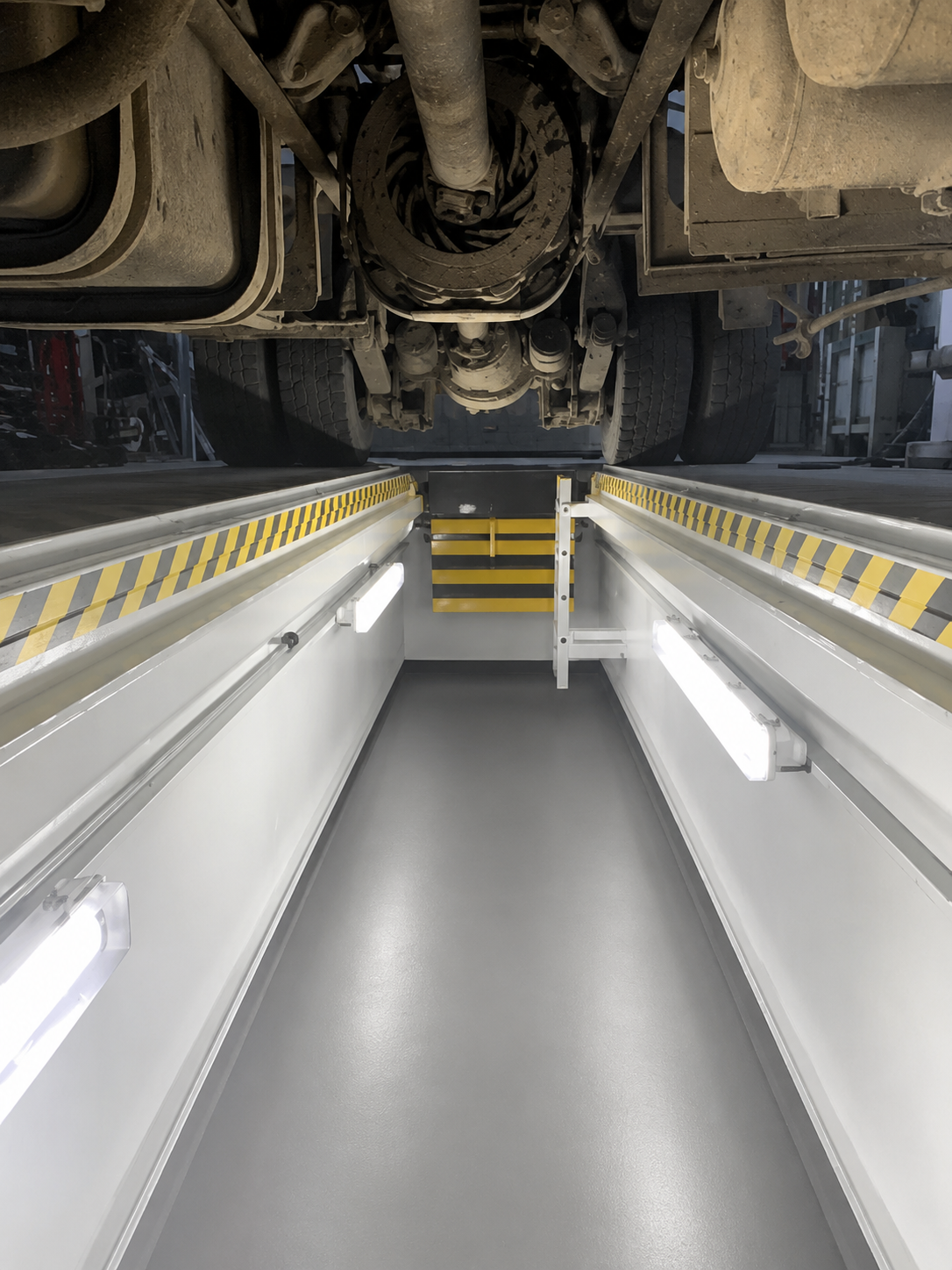
For a heavy-duty workshop, A properly designed, equipped and secured pit presents real operational and economic advantages. It allows for many control, draining and maintenance operations to be carried out under the vehicle without having to lift it. This direct access limits the preparation steps and facilitates the sequencing of routine interventions.


What are the safety constraints for a workshop pit vs a lifting device?


No point of comparison Secure workshop shed Lift bridge or mobile columns
Installation Civil engineering works and equipment to be provided during construction. An existing pit can be modernized after diagnosis. Soil resistance to be checked, anchorages according to the model and sufficient available height to lift the vehicle.
Safety Prevent falls, secure access, and adapt ventilation, lighting, and cleanliness. Prevent the vehicle from falling or sliding unintentionally, ensure its stability and maintain the clear movement area.
Preparation of interventions For lifting-free operations: positioning and immobilizing the vehicle, protecting the remaining openings. Verification of capabilities and supports, positioning of the equipment and securing the lifting according to the instructions.
Controls and maintenance Monitoring of the structure and equipment. The pit itself is not subject to the VGP of lifting equipment. Regulatory checks, including a general annual VGP for vehicle lifts, and maintenance of the lifting mechanisms.
Daily organization Fixed post, available for many interventions under the vehicle. Preparation of the lifting and, for the mobile columns, the movement, positioning and storage of the equipment.


Why preserve and secure an existing pit?


Digging a pit can cost the workshop a versatile tool and an investment that has already been made. Before condemning it, it is pertinent to study its renovation: protection against falls, improved access, and adapted ventilation and lighting. This approach allows us to assess the possibilities of preserving its benefits while meeting the prevention needs.


Indeed, for inspections, drainages and many other interventions under the vehicle, a garage pit offers concrete advantages:


  • Reduced preparation time:

    Once the vehicle is correctly positioned and immobilized above the pit, the technicians access its underside without having to install mobile columns or wait for a cycle of ascent and descent. A particularly interesting advantage for short and repeated interventions.


  • An investment that appreciates over time:

    When properly designed, protected against corrosion and maintained, the structure of the pit constitutes a sustainable installation. Its equipment can be maintained, replaced, or modernized to accompany the evolution of the workshop and preserve the initial investment.


  • No dependence on lifting mechanisms:

    The pit does not require lifting the entire heavy load. This avoids, for feasible ground-based operations, the dependence on motors, jacks and synchronizing systems of a lift, as well as on the batteries of the wireless columns. Its own ventilation, lighting and protection equipment still needs to be maintained.


  • Better control of operating costs:

    The absence of lifting the vehicle for these interventions avoids the energy consumption and wear associated with the up-and-down cycles. Combined with the time saved on preparation, this simplicity contributes to the profitability of the work station.


For heavy-duty workshops, modernizing and securing a pit can be an economically relevant and sustainable choice. Xpertive supports you in preserving this work tool and facilitating your daily operations. and integrate the prevention equipment adapted to your installation.

Expertise Xpertive

Concrete support in meeting regulatory requirements

Xpertive assists companies in bringing their workshop facilities into compliance by integrating regulatory, technical and operational constraints.


The intervention is based on:


  1. a terrain analysis of risks
  2. a reading of the regulatory requirements
  3. the definition of suitable solutions
  4. Implementation on site


Xpertive does not position itself solely as a provider of solutions, but as an expert capable of transforming a regulatory constraint into an opportunity. Simple, reliable and directly exploitable solution.

This approach allows for the safety of the installations while maintaining the performance of the workshop.


Xpertive, Where security meets performance 


Compliance with a pit


What happens in the event of non-compliance?

In the event of non-compliance, the consequences can be significant.

During a check

The Labour Inspectorate may:

  • issue a warning
  • impose corrective measures
  • set a deadline for compliance

In case of serious danger

It can go up to:

  • the temporary cessation of activity
  • the prohibition on the use of the installation

In case of accident

  • Civil and criminal liability incurred
  • recognition of an occupational accident
  • Financial and human impact

An unsecured pit can be considered a failure to meet the safety obligation.

In reality, many companies only act after an inspection or an incident, which confirms a logic that is all too often reactive.


What standards apply to pits?

Complete regulatory framework

FURTHER INFORMATION AT See details

Several texts regulate the safety of the pits:


  • Labour Code (L4121-1) General obligation of safety
  • Labour Code (R4323-58) : prevention of falls
  • INRS R468 Design and operation of the pits
  • CARSAT R469 : Security of installations
  • Directive machinery 2006/42/CE Motorized equipment


These texts do not define a single solution, but impose a logic of results: eliminate or effectively reduce the identified risks.

Xpertive can assist companies in their understanding and practical application.

Can the Labor Inspectorate inspect an industrial pit?

Yes, especially during security checks or after an accident.

Is an unsecured pit illegal?

It can be considered non-compliant with regard to the safety obligation.

What standards must be respected?

INRS R468, CARSAT R469 and Labour Code.

What are the risks in case of non-compliance?

Sanctions, accidents, cessation of activity and employer’s liability.

How to comply?

By implementing an appropriate solution after analyzing the risks.

Trust Xpertive

for your prefabricated steel tank

A single contact person for your project


From the study to the installation,

the guarantee of a successful and operational implementation.


CONTACT US
Brochures Xpertive

OUR BROCHURE

DISCOVER OUR SOLUTIONS
BY DOWNLOADING OUR BROCHURE

BROCHURE REQUEST