Safety standards for workshop pits
Understanding the requirements of INRS, CARSAT and the Labour Code

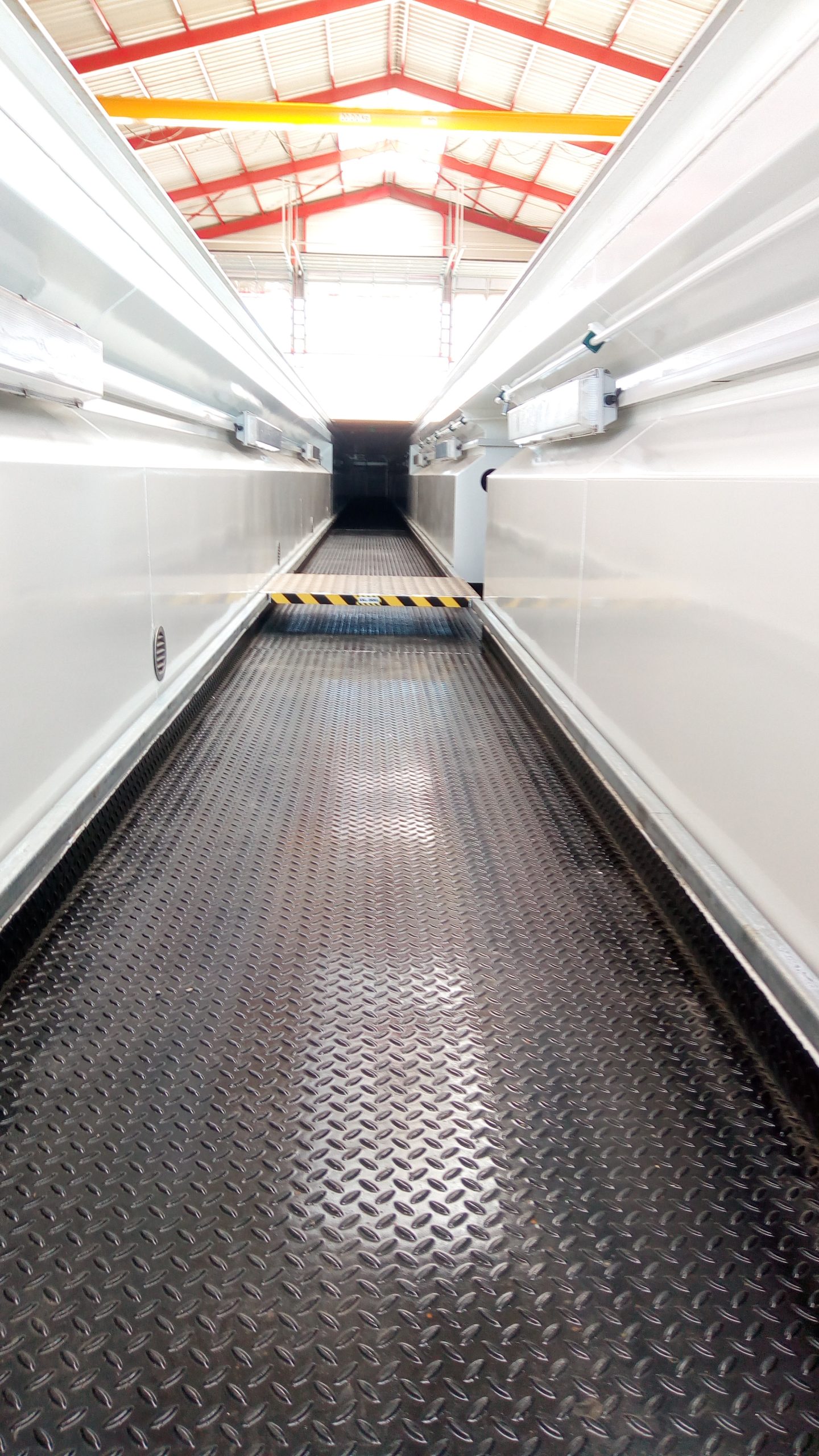
- The maintenance pits are subject to strict safety requirements.
- Often perceived as a mere technical arrangement, the pit is actually a a structuring element of the workshop, at the intersection of security, compliance and operational performance issues.
- The recommendations of the INRS, the CARSAT and the Labour Code impose the establishment of appropriate protective measures to prevent falls and to ensure safe interventions.
- Understanding these standards ensures the compliance of your workshop and reduces occupational risks.
What standards govern the safety of workshop pits?
Why do these standards exist?
To whom do these obligations apply?
What specific obligations do employers have?
Why respect safety standards?
Regulatory compliance brings tangible benefits to the company. Beyond meeting obligations, it allows the workshop’s organization to be structured in a sustainable way and its operations to be secured.

Enhanced security
Significant reduction in workplace accidents.

Regulatory compliance:
Compliance with legal obligations and anticipation of inspections.

Professional image:
Valuation of a safe working environment.
What criteria must protection devices meet?
HOW TO CHECK THE CONFORMITY OF YOUR FOSSE?
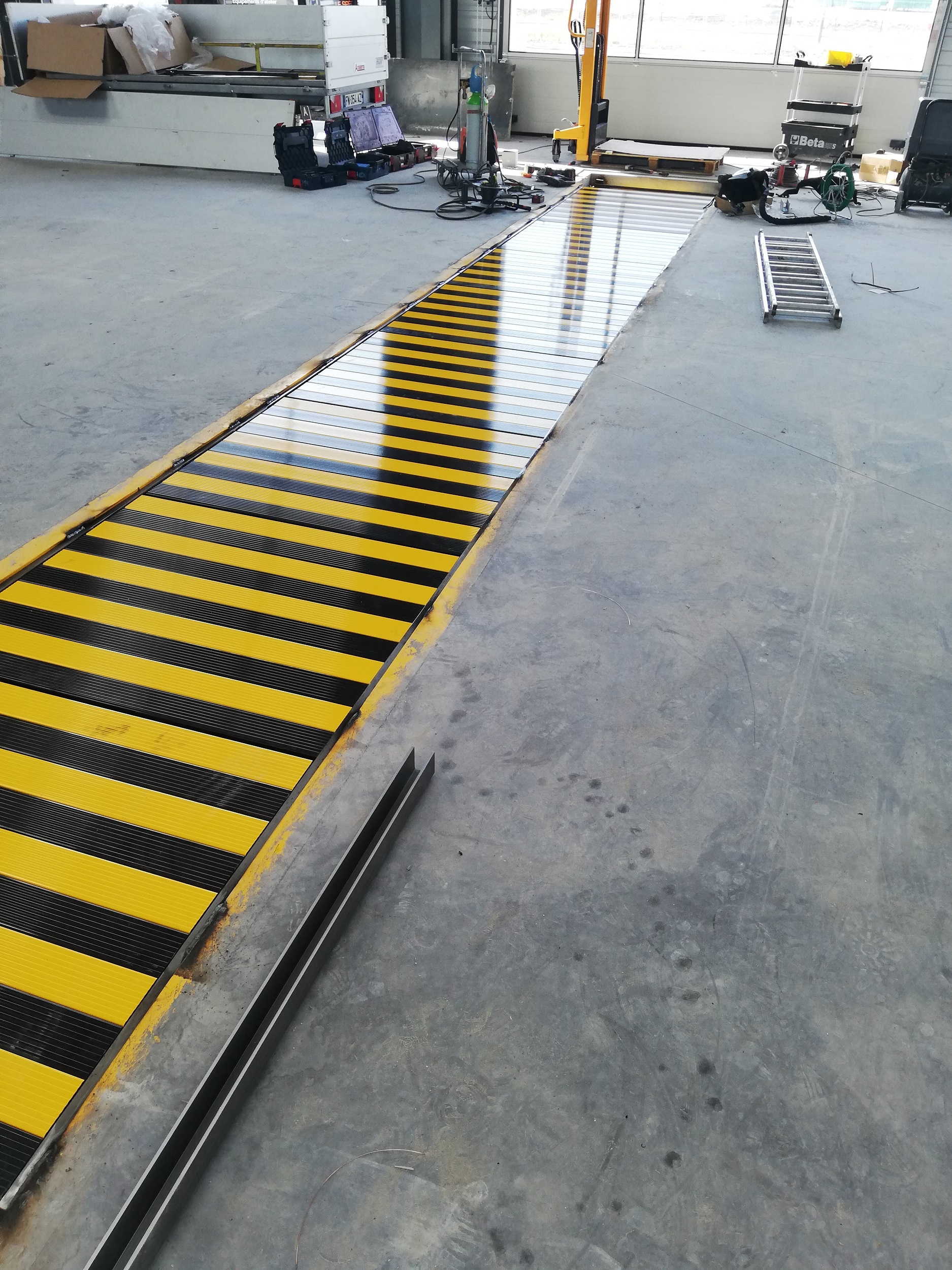
Expertise Xpertive
Mastery of standards and constraints on the ground
Xpertive assists companies in bringing their systems into compliance by relying on in-depth knowledge:
- requirements of the Labor Code
- INRS and CARSAT recommendations
- operating constraints in the workshop
The approach is based on:
- a field analysis
- a regulatory reading
- a technical adaptation
This allows for the delivery of concrete, tailored and compliant solutions.
What regulations should I know about?
The main applicable texts


FURTHER INFORMATION AT LESS INFORMATION ON The main texts
The workshop pits are governed by several texts:
- Labour Code L4121-1 :
“The employer takes the necessary measures to ensure the safety and protect the physical and mental health of the workers.”.
These measures include:
- Actions to prevent occupational risks, including those mentioned in Article L. 4161-1 ;
- Information and training actions; ;
- The establishment of an appropriate organization and resources.
The employer ensures that these measures are adapted to take account of changes in circumstances and to aim to improve existing situations (Sources)
- Labour Code R4323-58 : prevention of falls
“Temporary work at height is carried out based on a work plan designed, installed or equipped in such a way as to preserve the health and safety of workers.”.
The workstation is such that it allows the work to be carried out in ergonomic conditions (Sources).
- INRS R468 Design and operation of the pits (document uploaded) source)
- CARSAT R469 : Security of installations
- Directive machinery 2006/42/CE Motorized equipment (Sources)
These references serve as the basis for audits and controls.
FREQUENTLY ASKED QUESTIONS